Weather Alert in Wisconsin
Special Weather Statement issued March 27 at 2:07PM CDT by NWS La Crosse WI
AREAS AFFECTED: Taylor; Clark; Buffalo; Trempealeau; Jackson; La Crosse; Monroe; Juneau; Adams
DESCRIPTION: The combination of low relative humidity values, strong south winds, and dry fuels will result in elevated fire weather conditions for west-central and central Wisconsin near and north of Interstate 90 Saturday afternoon. Afternoon relative humidity values will fall to around 15 to 25 percent with winds of 15 to 25 mph, gusting to 35 mph. Under these conditions, fires will start and spread more easily. Please exercise caution with any activities that involve outdoor fires or create sparks, including campfires, grilling, and operating large equipment. Cigarettes should be disposed of and extinguished properly. Please heed any local burn bans.
INSTRUCTION: N/A
Want more detail? Get the Complete 7 Day and Night Detailed Forecast!
Current U.S. National Radar--Current
The Current National Weather Radar is shown below with a UTC Time (subtract 5 hours from UTC to get Eastern Time).

National Weather Forecast--Current
The Current National Weather Forecast and National Weather Map are shown below.

National Weather Forecast for Tomorrow
Tomorrow National Weather Forecast and Tomorrow National Weather Map are show below.

North America Water Vapor (Moisture)
This map shows recent moisture content over North America. Bright and colored areas show high moisture (ie, clouds); brown indicates very little moisture present; black indicates no moisture.

Weather Topic: What are Cirrus Clouds?
Home - Education - Cloud Types - Cirrus Clouds
 Next Topic: Condensation
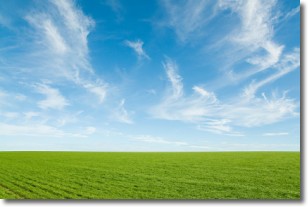
Cirrus clouds are high-level clouds that occur above 20,000 feet
and are composed mainly of ice crystals.
They are thin and wispy in appearance.
What do they indicate?
They are often the first sign of an approaching storm.
Next Topic: Condensation
Weather Topic: What are Contrails?
Home - Education - Cloud Types - Contrails
 Next Topic: Cumulonimbus Clouds
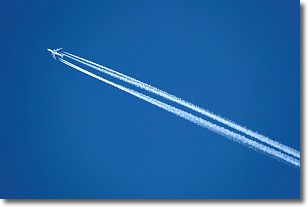
A contrail is an artificial cloud, created by the passing of an
aircraft.
Contrails form because water vapor in the exhaust of aircraft engines is suspended
in the air under certain temperatures and humidity conditions. These contrails
are called exhaust contrails.
Another type of contrail can form due to a temporary reduction in air pressure
moving over the plane's surface, causing condensation.
These are called aerodynamic contrails.
When you can see your breath on a cold day, it is also because of condensation.
The reason contrails last longer than the condensation from your breath is
because the water in contrails freezes into ice particles.
Next Topic: Cumulonimbus Clouds
Current conditions powered by WeatherAPI.com